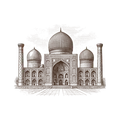
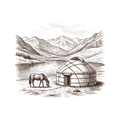
From the tiled domes of Samarkand to the yurts on the shores of Song-Kul, Central Asia gives photographers something new every day. People are generally curious and hospitable, and many will happily pose, sometimes asking to take a photo with you in return. Good etiquette is mostly about awareness and respect.
Photographing people
The golden rule is to ask. You do not need a shared language: lift your camera slightly, smile and wait for a nod. If someone shakes their head or turns away, accept it and move on.
Some specifics:
- Women, especially in rural areas and more conservative regions such as parts of the Fergana Valley, may prefer not to be photographed. Ask, and accept a no gracefully.
- Elders often enjoy being photographed but appreciate being asked properly. A short conversation through your guide makes for better portraits anyway.
- Children are usually enthusiastic; still, check that a parent is comfortable.
- Market traders at bazaars are generally open to photos, especially if you have bought something or spent time chatting.
Offering to send a copy of the photo by messaging app is a kind gesture that is often appreciated.
Religious sites
Many famous buildings, such as the Registan in Samarkand, are monuments and museums where photography is normal. Others are active mosques, shrines and cemeteries.
- Never photograph people at prayer, and avoid using flash inside.
- At shrines, pilgrims may be praying or reciting; keep your distance and stay quiet.
- Some sites charge a small photography fee; your guide will know.
- Dress modestly; it makes you welcome and more relaxed while shooting.
Our guide to Islamic architecture in Uzbekistan explains what you are looking at, which makes for better pictures.
Restricted subjects
Across the region, avoid photographing:
- military installations, soldiers and vehicles;
- border posts and crossing areas;
- police in the course of their duties;
- some government buildings, bridges and transport infrastructure in sensitive areas.
Rules vary by country and are often applied more strictly in Turkmenistan and near borders. If in doubt, ask your guide. Our guide to border crossings covers what to expect at frontiers, where cameras should stay away.
Metro stations in Tashkent were once off limits for photography; today taking photos is generally allowed, but rules can change, so follow any signs and staff instructions.
Drones
Drone rules in Central Asia are strict and change frequently. In several countries, drones may require registration, a permit, or are effectively prohibited for visitors, and they can be confiscated at customs. Do not pack a drone without checking current regulations for each country on your route. If aerial footage is important to your project, contact us early and we will look at what is legally possible.
Light and timing
- Tiled facades look best in the low sun of early morning or late afternoon, when blues and turquoises glow and shadows soften.
- Registan and Itchan Kala are both lit at night, and blue hour gives balanced exposures.
- Mountain lakes like Song-Kul are often calmest at dawn, with mirror reflections and mist.
- Bazaars are busiest and most colourful in the morning.
- In summer, midday light is harsh and the heat is intense; use these hours for rest or interiors.
Photography tours
For photography-focused groups, we plan routes around the light: early starts, late returns, golden-hour stops and time to wait for the right moment. Guides can help arrange portraits with craftsmen, shepherds and families who are happy to take part.
Plan a photographer-friendly trip
Tell us what you want to shoot and when you plan to travel. Send us a request, and we will build a program around the best places and light, with a quote.